
Find Indiana Bench Warrants
Indiana bench warrants are orders from a judge when someone fails to show up for court or breaks a court rule. These records are on file with county sheriffs and in the state court system across all 92 Indiana counties. You can search bench warrants online through the MyCase portal at no cost. County sheriff offices also keep active warrant files. Some post their lists on the web. Others ask that you call or visit in person. This page covers the tools and steps you need to find and check bench warrants in Indiana, plus how to deal with them if one is on your record.
Indiana Bench Warrants Quick Facts
How to Search Indiana Bench Warrants
MyCase is the main tool for bench warrant searches in Indiana. The state court system runs it. There is no cost to use it. You search by name or case number. For the best match, type the last name and the first letter of the first name. The system pulls data from the Odyssey case management platform. Most courts in Indiana use Odyssey. All public cases show up in the results, including criminal cases where a bench warrant may have been issued. Sealed and expunged cases do not appear. You can view filings, court orders, and some documents right on the screen at no charge.
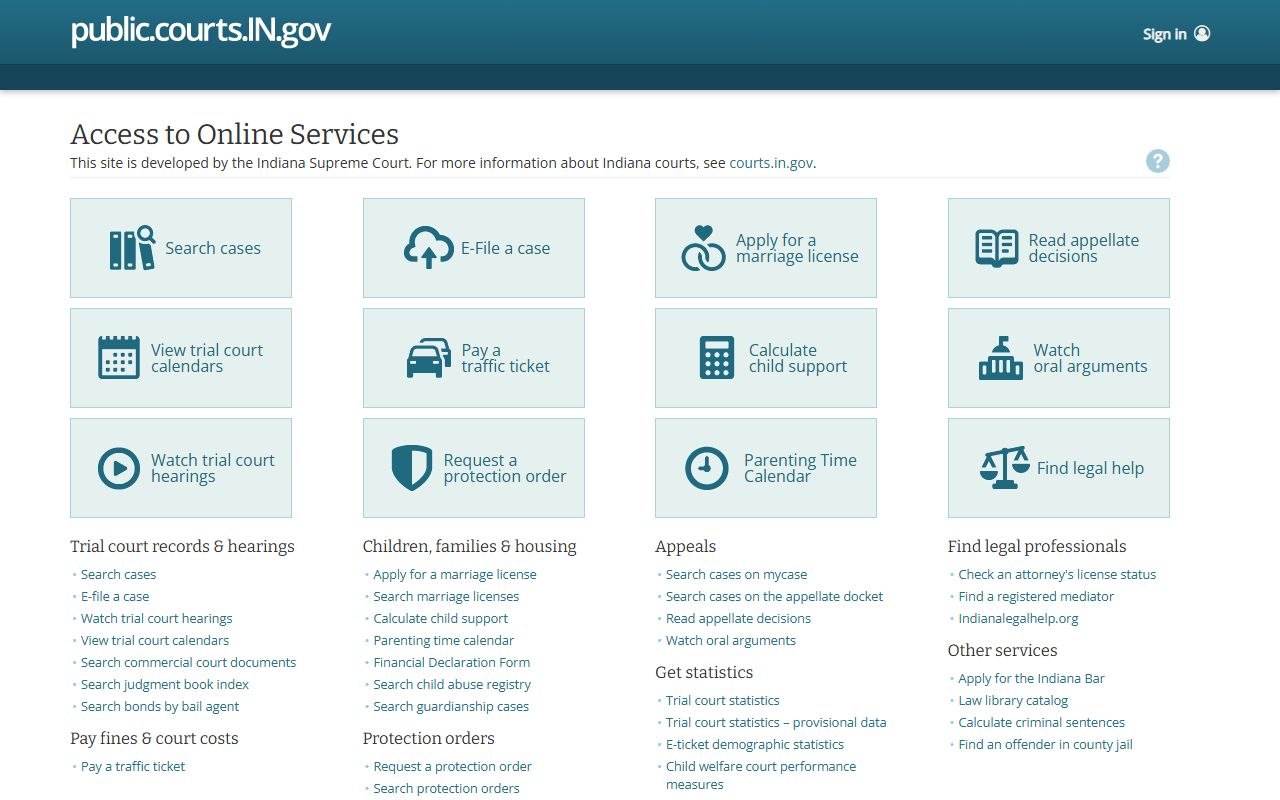
You can start a free bench warrant search at public.courts.in.gov/mycase to look up cases across Indiana.
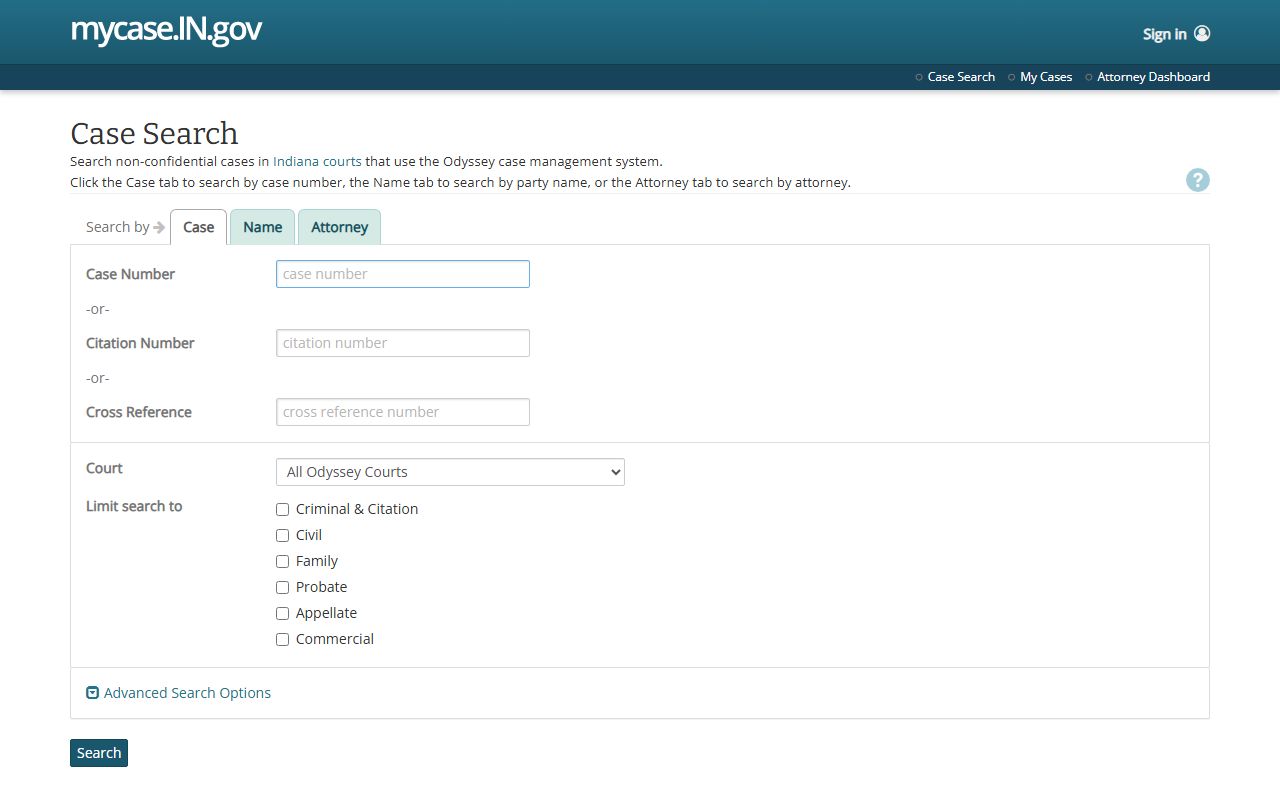
The portal covers courts in all 92 Indiana counties. A captcha box may show up after you click the search button. The system uses this to stop data mining, and it comes up more often as you run more searches. Do not use the date of birth or social security number fields. Most Indiana records do not have that data. Stick to name searches for bench warrants. Case details may show the charges, the court that issued the warrant, and the current status. If you find a case, you can click into it for more information about the bench warrant in Indiana.
Note: Data on MyCase is not the official court record. Contact the clerk in the county where the case was filed for official copies of bench warrant records in Indiana.
What Are Indiana Bench Warrants
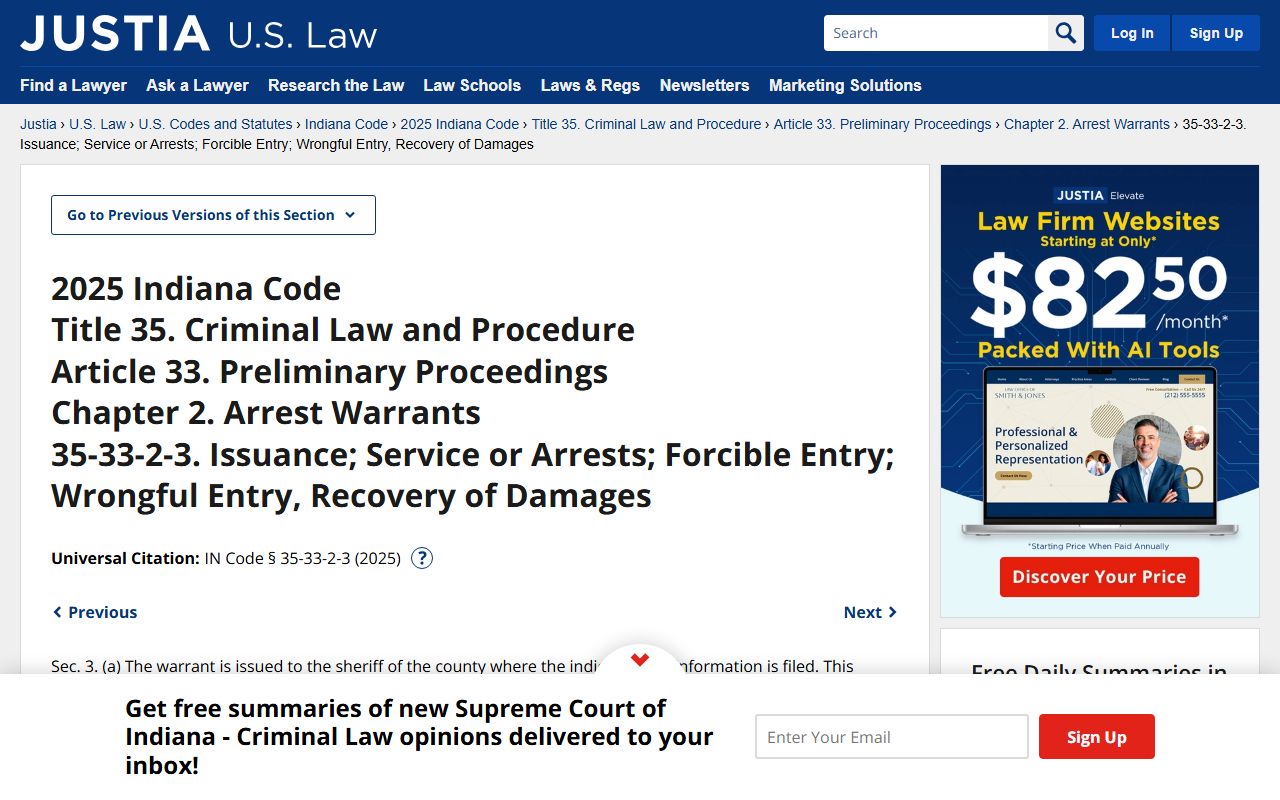
A bench warrant is a court order that a judge issues from the bench. It is not the same as a regular arrest warrant. An arrest warrant comes from probable cause that a crime took place. Under IC 35-33-2-1, no arrest warrant can be issued unless an indictment has been found or a judge has been satisfied by affidavit that a felony was committed. Bench warrants work in a different way. They come when someone does not follow a court order. The most common reason is failure to appear. If you miss a court date in Indiana, the judge can issue a bench warrant for your arrest right then. Other reasons include not paying fines, skipping community service, or breaking probation rules.
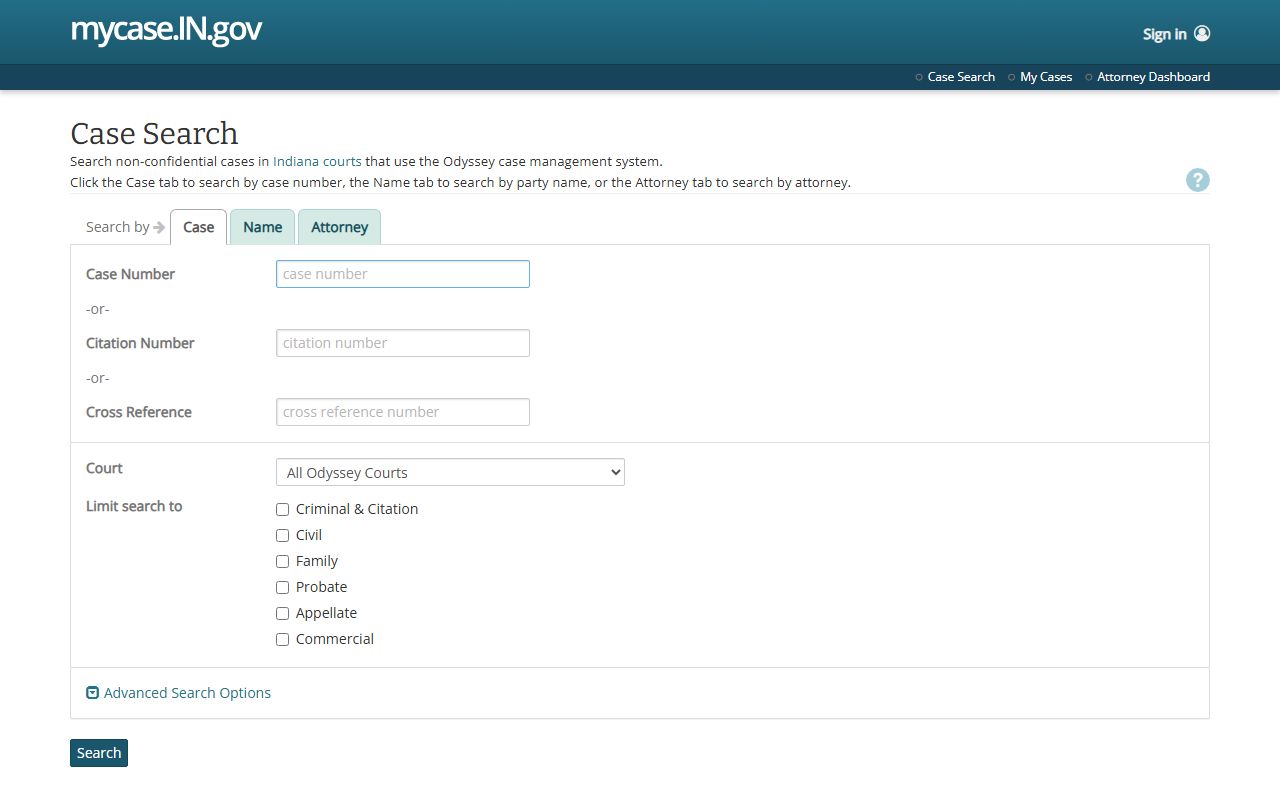
The MyCase search page lets you look up bench warrant cases filed in Indiana courts.
Both types of warrants let police take you into custody. Under IC 35-33-2-2, all warrants in Indiana must be in writing. They must name the person, state the offense, and name the court that issued the order. A bench warrant can come from any case type. Civil, family, and criminal cases all carry this risk. Once issued, a bench warrant goes into IDACS, the Indiana Data and Communication System. It also gets entered into NCIC, the National Crime Information Center. That means any law enforcement officer in the state or the country can see it during a routine check.
Indiana Bench Warrant Expiration Rules
How long a bench warrant lasts depends on the type of case. Under IC 35-33-2-4, a warrant for a misdemeanor expires after 180 days. That is about six months. A warrant for a felony does not expire. It stays active until it is served or the court recalls it. Rearrest warrants also have no end date. If you have a felony bench warrant in Indiana, it will stay on your record until you deal with it. There is no way to wait it out.
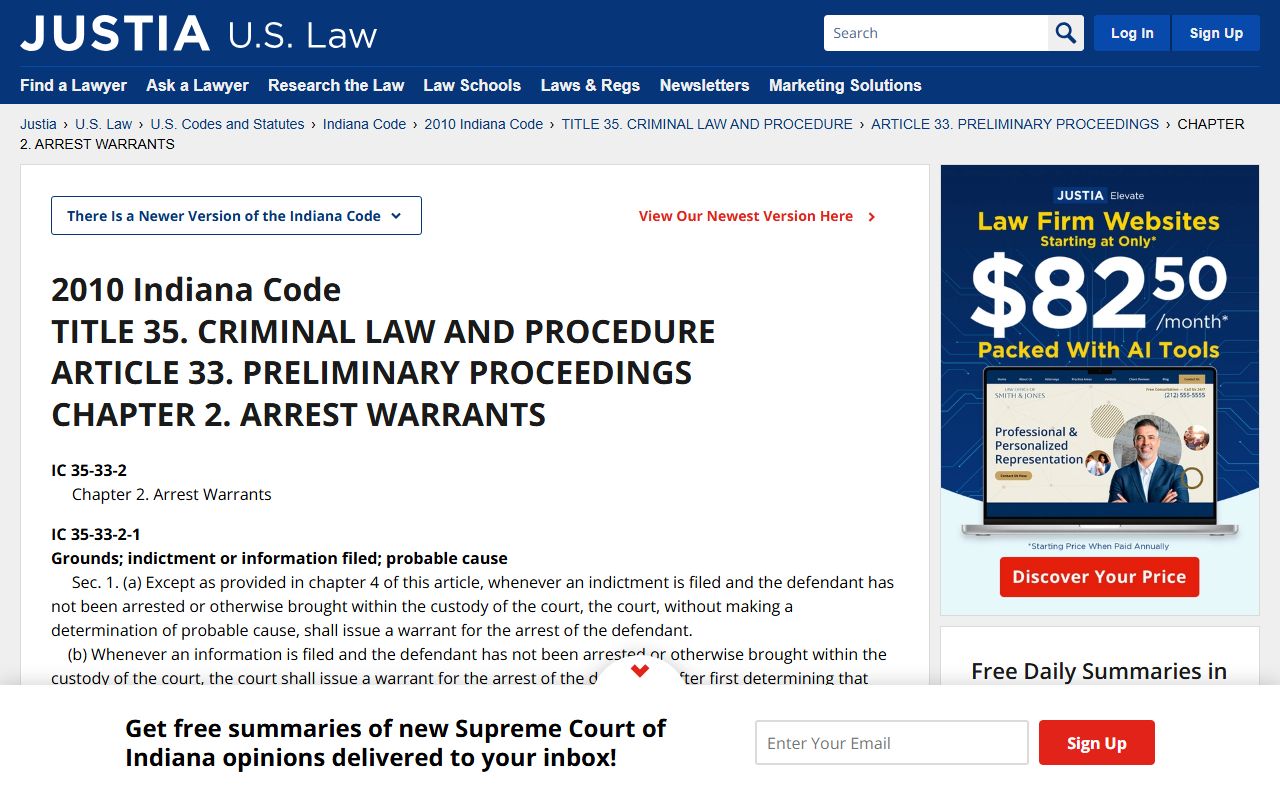
The law also says that bench warrants can be served at any time. Under IC 35-33-2-3, any law enforcement officer can serve a warrant on any day of the week, at any hour. There is no safe time or day. If an officer comes to serve a bench warrant and is not let in, the law allows them to break open a door or window to make the arrest in Indiana.
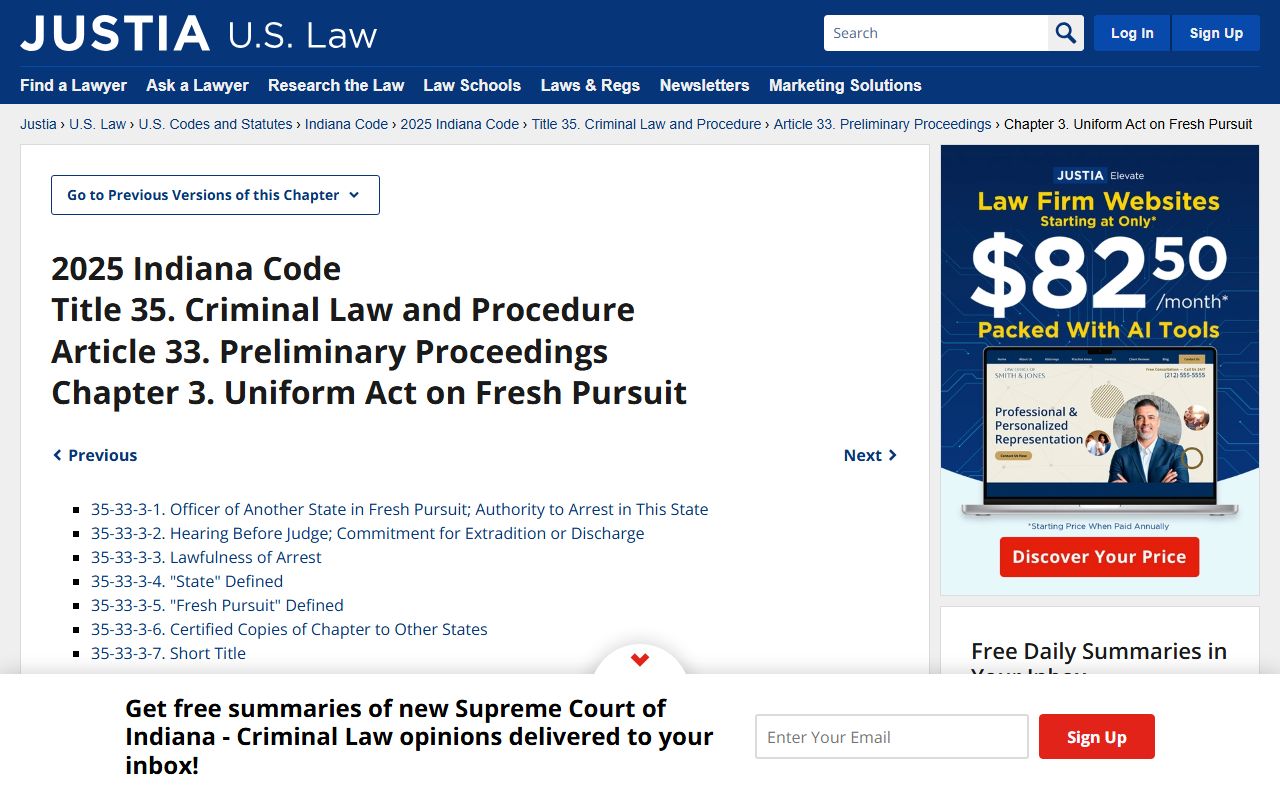
The Fresh Pursuit law under IC 35-33-3 adds to this. It allows officers from other states to chase suspects into Indiana. If a judge finds the arrest was lawful, the person is held for extradition. This means a bench warrant from one state can still lead to an arrest on Indiana soil.
Note: Misdemeanor bench warrants that expire can still be reissued by the court if the case is still open in Indiana.
Indiana State Police Records
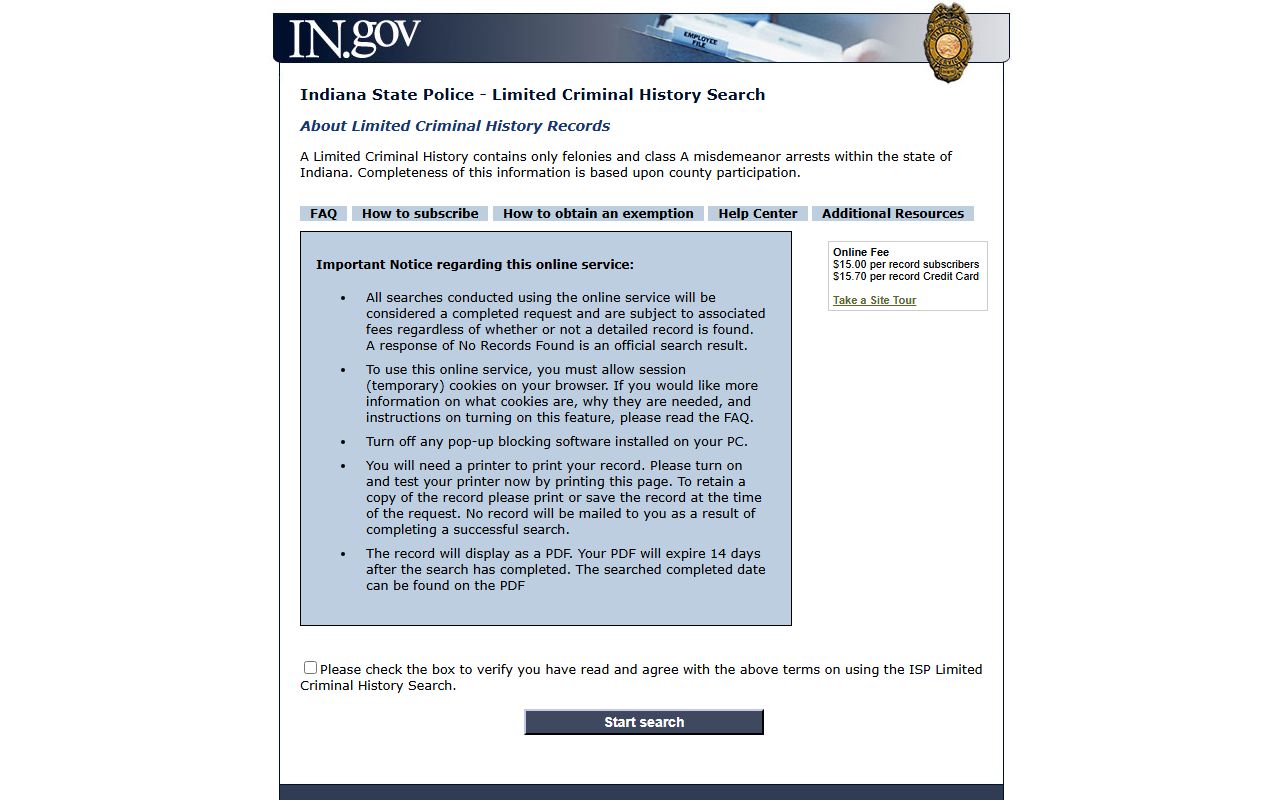
The Indiana State Police runs a Limited Criminal History search tool. You can use it at in.gov/ai/appfiles/isp-lch. This search shows felonies and Class A misdemeanor arrests in Indiana. It does not list all bench warrants by itself. But it can help you see if a person has a criminal record tied to a warrant case. A fee may apply for the full report. The ISP tip hotline is 800-382-4628 if you have information about a wanted person in Indiana.
County sheriffs handle active bench warrants across Indiana. Each of the 92 counties has a sheriff's office that keeps its own files. The Indiana Sheriff's Association directory lists every office in the state. You can look up your county there and call to ask about active bench warrants. Most offices will tell you if a warrant is on file for a given name. Some counties also have online warrant lists. Allen County uses themostwanted.net. Madison County has a searchable list on its sheriff website. Vanderburgh County lets you search by name, date, or type.

For a full bench warrant check, the county sheriff is the best source in Indiana.
Resolving a Bench Warrant in Indiana
If you have a bench warrant in Indiana, you have options. Many county sheriffs allow you to turn yourself in. Most prefer that you come during business hours. In Morgan County, if you turn yourself in on a Thursday for a county court warrant, you go to court the next day. That tip comes straight from the Morgan County Sheriff's Office. Tippecanoe County holds periodic misdemeanor warrant recall days where you can clear a bench warrant without going to jail first. Check with the local prosecutor for dates. Some people choose to hire a lawyer before they turn in. An attorney can sometimes arrange a surrender with a pre-set bond, which means you could get out the same day.
Call the sheriff in the county where the bench warrant was issued. Ask what bond is set. Ask what steps you need to take. The clerk's office or prosecutor can also give you this information in most Indiana counties. Do not ignore a bench warrant. A felony bench warrant will not go away on its own in Indiana. Even a misdemeanor warrant can be reissued after it expires if the case stays open.
The Indiana Courts public records page has more on how to access court documents tied to bench warrant cases.
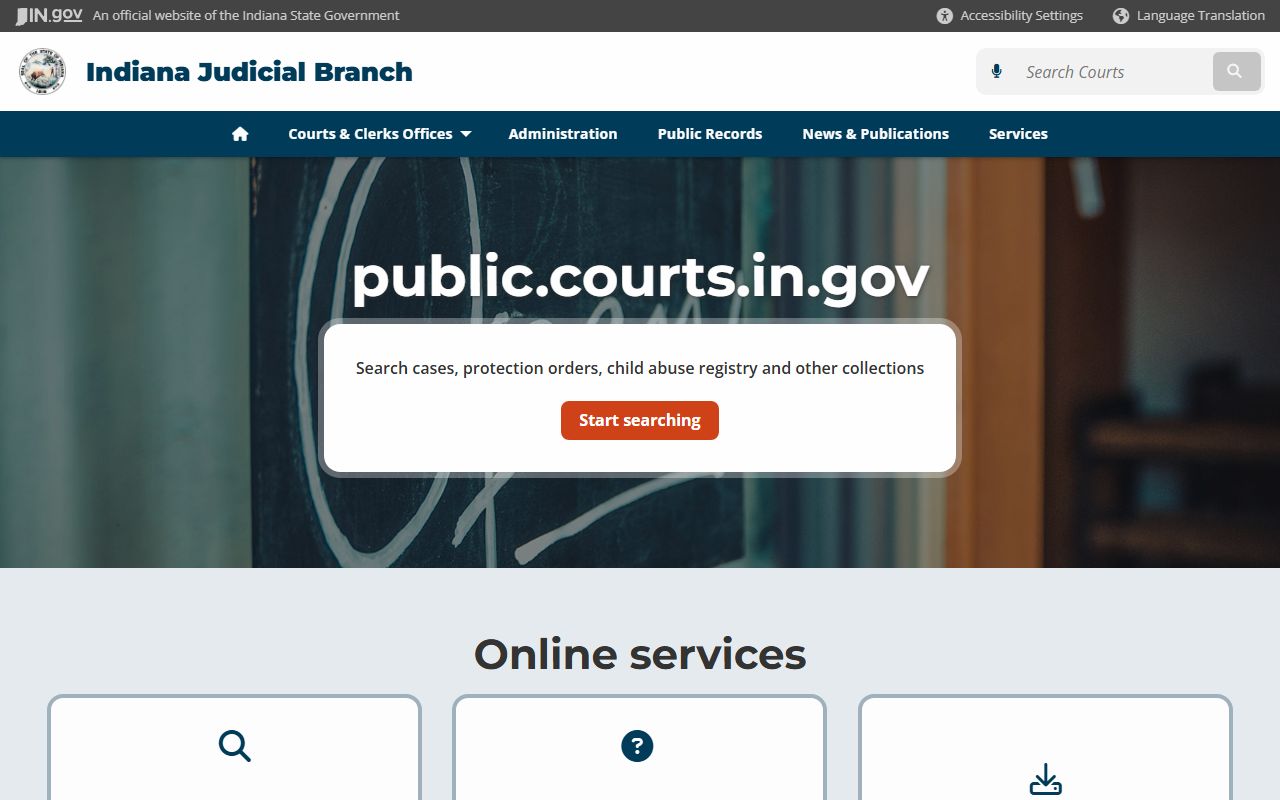
Some court documents are available online for free. If the file you need is not there, contact the clerk in the county where the case was heard.
Indiana Bench Warrant Legal Resources
Indiana Legal Services gives free legal help to people with low income. They handle many case types in Indiana. If you have a bench warrant and cannot pay for a lawyer, this is a place to start. They can help you understand your rights and figure out next steps for dealing with a bench warrant in Indiana.

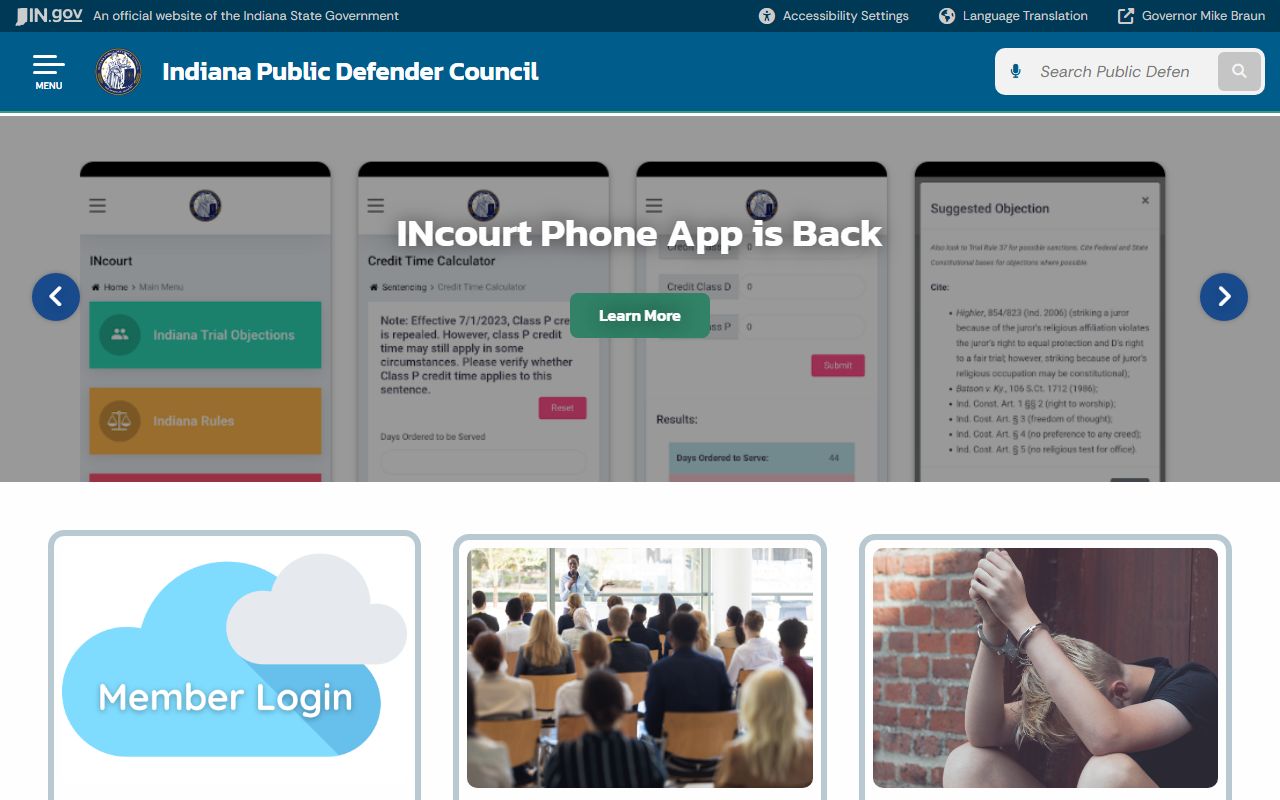
The Indiana Public Defender Commission works to make sure people have legal counsel in criminal cases. If you face a bench warrant tied to a criminal charge in Indiana, you may be assigned a public defender. The commission sets standards for defense in courts across the state. Under IC 36-2-13-5, the sheriff has a duty to execute all process directed by the court, which includes serving bench warrants. Having a lawyer can help you work with the court to resolve the warrant in a more controlled way rather than waiting for an arrest.
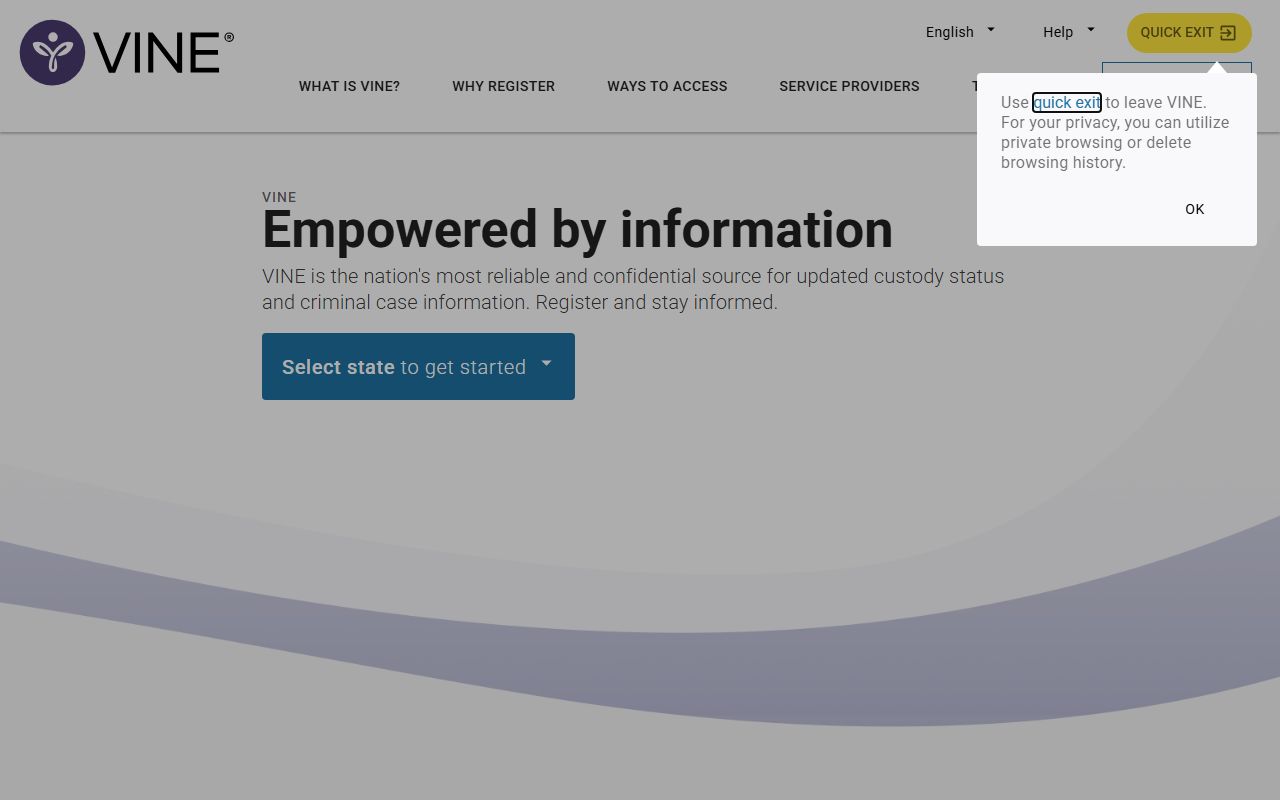
Victims of crime can track cases through VINELink. VINE stands for Victim Information and Notification Everyday. You can sign up to get alerts when someone is released from custody or when their case status changes. Call 1-866-959-VINE to register. This tool is free and runs all day and night. It helps people stay informed about bench warrant arrests and jail status across Indiana.
Indiana Court Records and Public Access
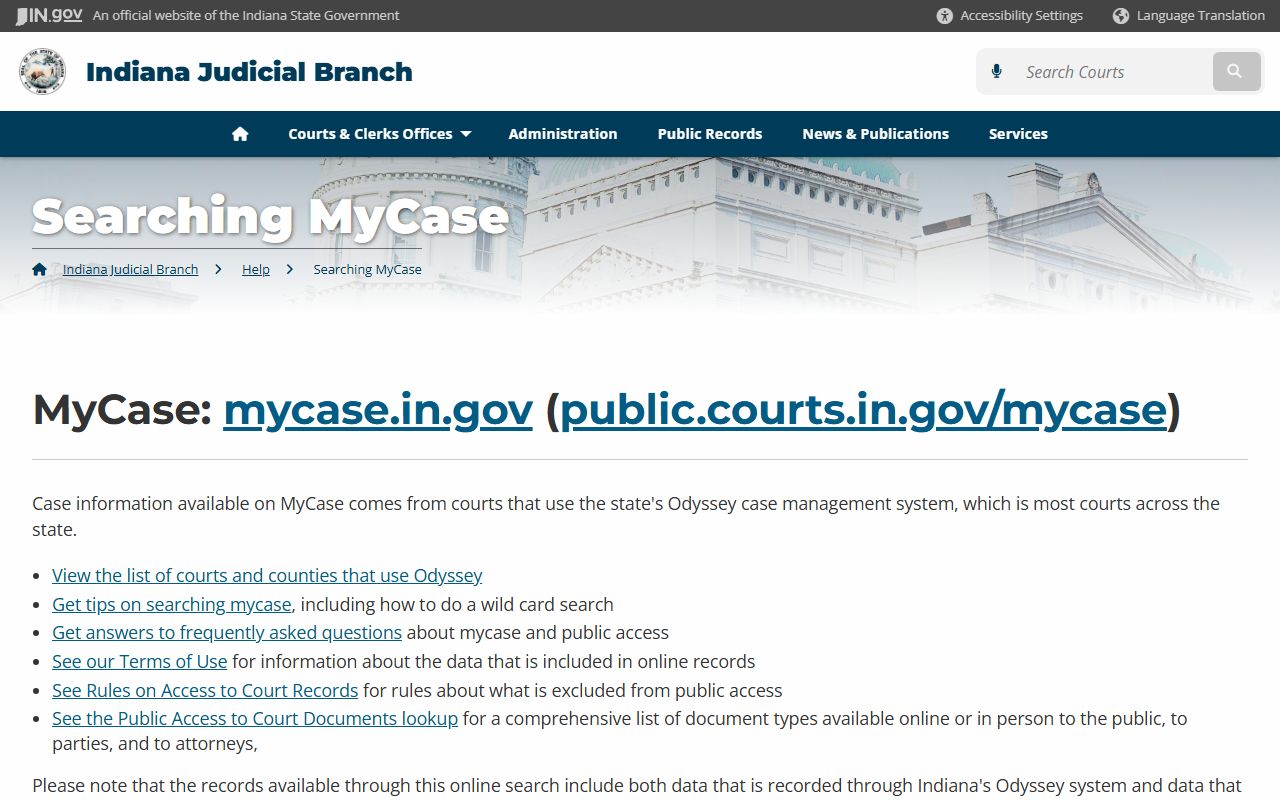
Court records in Indiana are mostly public. Under Indiana Code 5-14-3, the Access to Public Records Act, anyone can ask to see or copy public records. This includes many bench warrant cases. You do not have to be a party in the case. You do not need to give a reason. The MyCase help page has answers to common search questions and explains what types of cases are available online.
Not all bench warrant records are open to the public. Sealed cases and expunged cases are off limits. Protection order cases are kept out of the public MyCase system under federal law. You can check the protection order registry through a separate search tool. Juvenile bench warrants are also not public. For official copies of any bench warrant record in Indiana, go to the clerk's office in the county where the case was filed. Some clerks charge a fee for copies. Certified copies cost more than plain ones.
Indiana bench warrant searches through MyCase are free. Most sheriff office warrant checks are also free. The State Police Limited Criminal History search may have a fee. Third-party search sites often charge for what you can get at no cost from the state directly.
Browse Indiana Bench Warrants by County
Each county in Indiana has a sheriff's office that handles bench warrants. Pick a county below to find local contact info, search tools, and warrant resources for that area.
Bench Warrants in Indiana Cities
Residents of major Indiana cities deal with bench warrants through their county sheriff and local courts. Pick a city below to learn about bench warrant searches and resources in that area.